
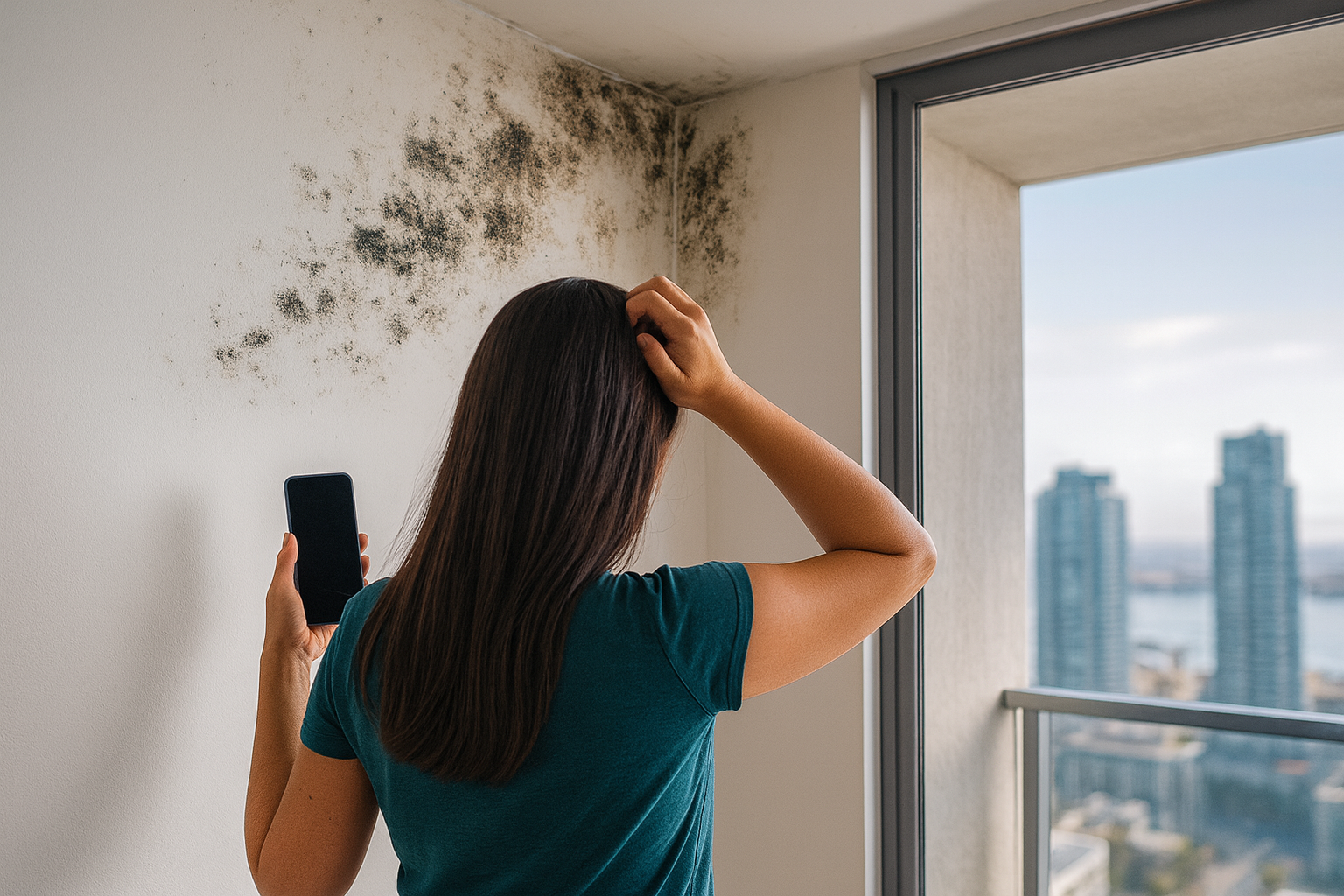
Living in San Diego has its perks—beautiful weather, stunning beaches, and a vibrant community. However, like any coastal city, it has its challenges, including the potential for water damage in our homes. A sudden leak can quickly turn into a mold nightmare if not handled swiftly. Drawing from both research and personal experience, here’s a practical guide on what to do when we discover a leak before professional help arrives.
1. Identify the Source of the Leak
The first step in managing a leak is pinpointing where it’s coming from. Whether it’s an overflowing sink, a broken pipe, or a leaky roof, knowing the source is crucial. For us, it often starts with that sinking feeling when we notice water pooling where it shouldn’t be.
Turning off the water supply is our first action. If it’s a plumbing issue, locating the shut-off valve and turning it off immediately can prevent further water damage. We also take a moment to observe and document the scene. Snap a few photos of the leak and the surrounding areas; trust me, this documentation can be a lifesaver for insurance claims later on.
What’s wild is that sometimes, the leak isn’t where we expect it to be. We’ve learned to check for water trails along walls and ceilings, noting any visible signs of damage or dampness. By acting quickly to identify the source, we can minimize the potential for mold growth and extensive damage.
2. Contain the Water
Once the source is identified, it’s time to contain the water to prevent it from spreading. Imagine trying to catch a dripping faucet with a tiny cup—it’s a losing battle. Instead, we grab towels and buckets, placing them strategically under the leak to catch dripping water. This simple act can mitigate the immediate effects of water damage.
Another thing we always do is move furniture and belongings away from the leak. If the water is near valuable items, relocating them to a dry area not only protects our possessions but also reduces clutter. It’s like creating a buffer zone between our stuff and the impending disaster.
Creating a barrier can be a game-changer, too. If water is pooling, we’ve used plastic sheeting or towels to create a makeshift dam, stopping the water from spreading to other areas. From our experience, containing the water as soon as possible saves us headaches and potential costs down the line.
3. Drying the Affected Area
Now that we’ve contained the leak, drying the area thoroughly is crucial to prevent mold growth. This is where the real work begins. If we have fans or dehumidifiers, we turn them on to circulate air and reduce humidity. Living in San Diego, we know all too well how coastal humidity can make mold issues worse.
Open windows and doors if the weather allows. Fresh air can work wonders in drying out damp areas and reducing musty odors. There’s something refreshing about the breeze sweeping through, reminding us that we’re on the right track.
Sometimes, we’ve had to remove wet materials like carpets or drywall. Mold can begin to grow within 24 to 48 hours, so we’ve learned not to wait too long to take action. A thorough drying process can make all the difference in preventing mold from taking hold—and trust me, we’ve seen what happens when we don’t.
4. Check for Signs of Mold
After addressing the leak and drying the area, it’s time for a thorough inspection for any signs of mold. We’ve learned to look for discoloration, as mold can appear as black, green, or white spots. It’s a bit unsettling, but we know it’s necessary to inspect areas near the leak and adjacent walls and ceilings.
We also rely on our noses—musty odors can indicate mold presence, even if it isn’t visible. If it smells off, there might be mold lurking nearby. Yep, this actually happened to us once, and it wasn’t fun.
If we’re still concerned, we consider using a mold test kit. These handy kits are available at local hardware stores and can provide peace of mind. Finding mold early can help us take swift action before it becomes a larger problem.
5. Communicate with Your Insurance or Property Manager
Once we’ve contained the leak and assessed for mold, it’s time to reach out to our insurance provider or property manager, depending on our living situation. Documentation becomes our best friend here. Keeping a detailed record of the leak—photos and notes about every step we’ve taken—will be invaluable when filing a claim.
Understanding our coverage is key, too. We reach out to our insurance company to clarify what’s covered. Some policies may cover water damage, while others may not, and knowing our coverage helps us make informed decisions.
For those of us who rent, notifying our property manager about the situation is essential. They often have specific protocols for handling leaks and mold issues. Being proactive in communication can expedite the repair process and ensure we’re protected, which is a relief in times like these.
6. Prepare for Professional Help
While we may have managed the immediate situation, preparing for professional assistance is essential. Researching local water damage restoration services in San Diego is a priority. We look for companies with good reviews and experience in mold remediation—after all, we want to ensure we’re getting the best help possible. For a comprehensive directory of emergency services, contractors, and local resources, check our essential resources for San Diego residents that includes vetted professionals for water damage, mold remediation, and emergency repairs.
Scheduling a visit is our next step. We arrange for professionals to assess the damage and provide a comprehensive plan for repairs and mold remediation. What’s helpful is asking questions and understanding the process they’ll take. Knowledge is our best ally in ensuring that the job is done right.
In our experience, being prepared and informed can make the process smoother, allowing us to return to our normal life as quickly as possible.
Dealing with a leak can be stressful, but taking these steps helps us manage the situation effectively until help arrives. Remember, acting quickly and staying organized can save us time, money, and a lot of hassle down the line. Once the immediate crisis is resolved, implement our comprehensive long-term mold prevention strategies to ensure moisture issues don’t return—including ventilation systems, humidity monitoring, and seasonal maintenance routines.