

Living in downtown San Diego is amazing—the walkability, the ocean breeze, the urban energy. But here’s something nobody tells you when you sign that lease or close on your Little Italy condo: mold is a sneaky problem that loves our coastal climate just as much as we do. Between the humidity rolling in from the bay, older building stock, tight living spaces, and sometimes less-than-stellar ventilation, downtown dwellers face unique challenges when it comes to keeping mold at bay. This isn’t just about ugly black spots on your bathroom ceiling—mold can trigger allergies, cause respiratory issues, damage your property value, and turn your dream downtown life into a health nightmare if left unchecked.
Why Mold Loves Downtown San Diego Condos
So here’s the thing. When I first moved into my downtown apartment near the Gaslamp, I thought San Diego’s “perfect weather” meant I’d never deal with moisture problems. Wrong.
San Diego’s coastal location creates this weird microclimate. We get marine layer fog rolling in at night, temperatures that swing between cool mornings and warm afternoons, and pockets of humidity that get trapped in our concrete jungle. Your condo? It’s basically a petri dish if conditions are right.
The real issue is how these buildings are designed. Lots of downtown units were built decades ago when ventilation wasn’t a priority. You’ve got small bathrooms with weak exhaust fans (or none at all), kitchens where steam has nowhere to go, and windows that might not open wide enough to create real airflow. Add in the fact that condos share walls with neighbors—meaning less exterior exposure for natural drying—and you’ve got a recipe for moisture accumulation.
Then there’s the maintenance problem. I’ve seen it firsthand: HOAs that put off roof repairs, landlords who ignore slow leaks, AC units that drip condensation into wall cavities. One time, my upstairs neighbor had a leaking water heater for weeks before the building manager did anything. By then? Mold city in the shared wall space.
The Hidden Spots Where Mold Takes Hold
You know what’s wild? Mold doesn’t always announce itself with giant black patches. Sometimes it’s hiding.
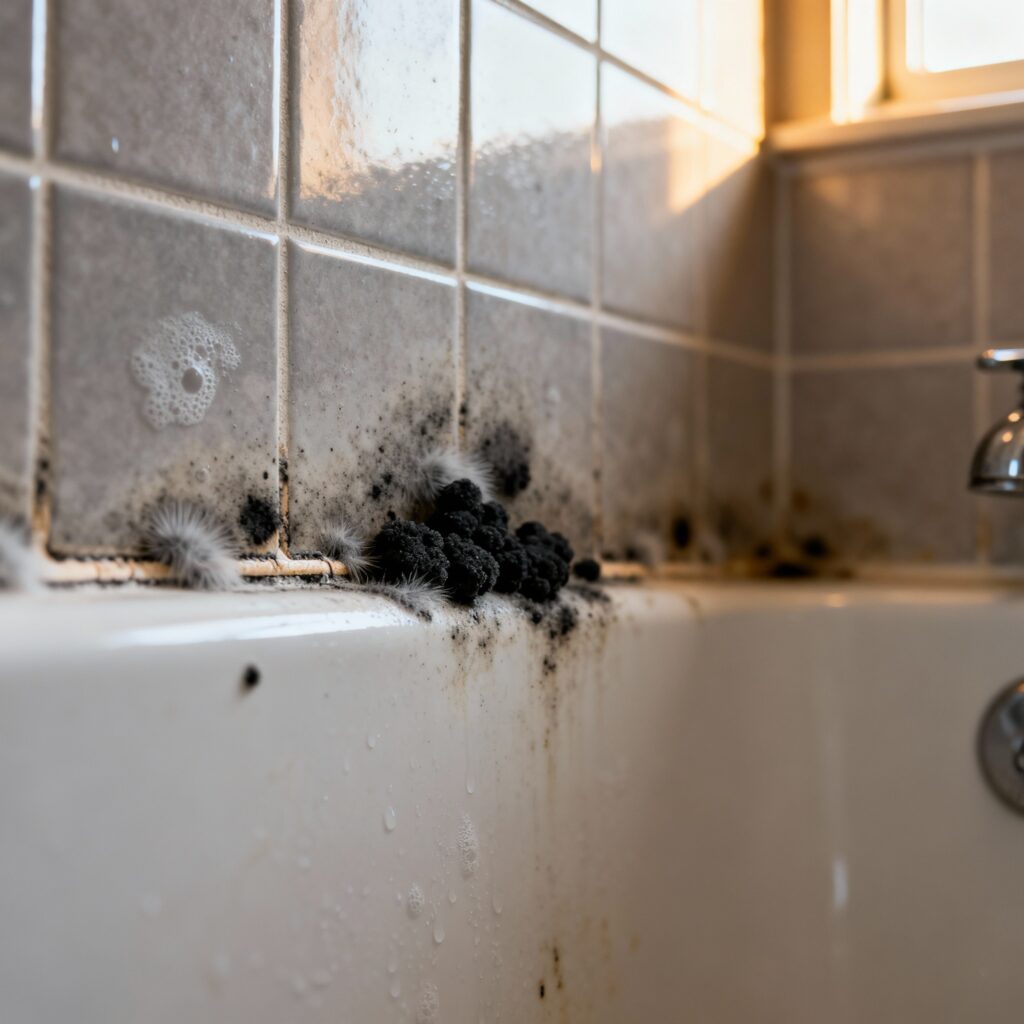
Bathroom zones are obvious—shower corners, grout lines, that weird spot where the wall meets the tub. But check behind your shower curtain liner, under the bath mat, and inside the cabinet under the sink where pipes might be sweating.
Kitchen trouble spots include under the sink (especially if there’s even a tiny drip), behind the refrigerator where condensation builds up, and around the dishwasher seal. I found mold once behind my coffee maker because I never moved it and moisture kept accumulating on that section of counter. Who knew?
Windows are sneaky. If you get condensation on your windows during cooler months, water runs down and pools on the sill or in the track. Left alone, that creates perfect mold conditions. I started wiping my window sills weekly after I noticed that musty smell.
Closets and storage areas don’t get much air circulation. If your closet backs up to an exterior wall (common in condos), the temperature difference can cause condensation. Your clothes might smell funky, or you’ll see spots on the drywall.
AC units and heaters collect moisture. Check around vents, inside the units themselves, and anywhere drain lines might be backing up.
The really scary stuff? Inside your walls. Slow leaks from plumbing, roof issues, or even condensation on cold pipes can create hidden mold colonies that you won’t see until it’s a major problem.
Spotting the Early Warning Signs
Okay, so how do you catch mold before it becomes a disaster?
Trust your nose. That musty, earthy smell? That’s mold releasing volatile organic compounds. If your place smells like an old basement, start investigating.
Visual clues include any discoloration on walls or ceilings—brown stains, dark spots, fuzzy patches. Sometimes it looks like dirt or soot. Check corners where walls meet ceilings; that’s where air doesn’t circulate well.
Condensation is a red flag. If you see water droplets forming on walls, windows, or pipes, you’ve got a humidity problem that will lead to mold.
Physical symptoms matter too. Are you coughing more at home? Headaches? Itchy eyes? My roommate developed this weird persistent sore throat that disappeared when we finally fixed our mold issue. Your body knows something’s wrong before your eyes do sometimes.

Building Your Mold Prevention System
Alright, here’s where we get practical. Prevention is way easier than remediation.
Get a hygrometer. Seriously, they’re like $15 on Amazon. Your indoor humidity should stay between 30-50%. Above 60%? Mold is throwing a party. I keep one in my bathroom and one in my bedroom because levels vary throughout your unit.
Dehumidifiers are game-changers for coastal condos. During summer when we get humid spells, or in winter when you’re running the heater and creating condensation, a dehumidifier pulls that excess moisture out of the air. I run mine in my bedroom closet during humid months and empty it every couple days. Boom—no more musty smell.
Airflow is everything. Open windows when weather permits, even just for 10-15 minutes. Run bathroom exhaust fans during showers and for 20-30 minutes after. Kitchen ventilation should run whenever you’re boiling water or cooking. Create cross-breezes when you can. Your air needs to move, not sit stagnant.
Another thing I learned the hard way: don’t block vents. I had a bookshelf covering a return air vent for months before I realized why that corner of my room always felt damp.
Temperature consistency helps prevent condensation. Those cold spots on exterior walls? That’s where warm, moist indoor air hits cold surfaces and—bam—water droplets form. If you can, keep your place at a relatively steady temperature rather than letting it swing wildly.
Fix leaks immediately. Not next week. Not when it’s convenient. The second you notice a drip, address it. Mold can colonize a damp surface in 24-48 hours. I once ignored a slow sink leak because it “wasn’t that bad.” Three weeks later I had to replace the cabinet floor.
Check your building systems regularly. Walk around your unit monthly looking for issues: condensation on windows, water stains on ceilings, damp spots around plumbing fixtures. If you’re in an HOA building, report maintenance issues in writing and follow up.
The coolest part is that most of this stuff becomes habit. Once you’ve got your systems in place—hygrometer monitoring, regular dehumidifier checks, consistent ventilation—it just runs in the background while you live your life.
Smart Storage to Avoid Mold Traps
Storage is tricky in small downtown units, but how you organize matters for mold prevention.
Keep furniture away from exterior walls. Leave at least a 2-3 inch gap so air can circulate. I know it’s tempting to push your bed or dresser flush against the wall to maximize space, but that’s how you get mold growing behind your furniture.
Ditch cardboard boxes in humid areas. Cardboard absorbs moisture like a sponge and provides food for mold. Use plastic bins with lids, especially in closets, under sinks, or anywhere moisture might be an issue.
Don’t overstuff closets and cabinets. Air needs space to move. If everything is crammed together, you’re creating stagnant pockets where moisture accumulates.
Elevate stored items when possible. Anything sitting directly on concrete floors (in parking storage, for example) should be on shelves or pallets. Concrete sweats, especially in temperature swings.
Check your storage areas every month or two. Open bins, smell inside closets, look for any signs of dampness. Catching problems early is the key to avoiding major headaches.
If You’re a Landlord or HOA Board Member
Real talk: property owners have a responsibility here.
Conduct annual moisture inspections. Walk units (if you’re a landlord) or common areas and building systems (if you’re on the board). Look at roof conditions, check HVAC systems, inspect common area plumbing.
Respond to tenant concerns quickly. When someone reports a leak or smell, address it within 24-48 hours. Ignoring these reports doesn’t make them go away—it creates liability and health risks.
Use mold-resistant materials during renovations. Mold-resistant drywall, paints with antimicrobial additives, proper waterproofing in bathrooms—these investments pay off.
Educate residents. Send out seasonal reminders about ventilation, running exhaust fans, reporting leaks promptly. The more your residents know, the fewer problems you’ll face.
I’ve lived in buildings where management was proactive and others where they were reactive. The difference is night and day. Proactive buildings have fewer mold issues, happier residents, and lower long-term maintenance costs.
When You Actually Find Mold—Now What?
Okay, so you spotted mold. Don’t panic.
Small areas (less than about 10 square feet) you can often handle yourself. Mix a solution of detergent and water, scrub the affected area, dry it thoroughly, and then use a diluted bleach solution or commercial mold cleaner. Wear gloves and a mask because even dead mold spores can trigger allergies.
The key is: you’re removing the mold, not just killing it. Dead spores still cause problems, so you need to actually scrub them away.
Fix the moisture source. Cleaning mold without addressing why it grew there is pointless. It’ll just come back.
But here’s where it gets serious: larger mold problems need professionals. If you’ve got mold covering more than a small patch, if it’s inside walls or ceiling cavities, if you suspect mold but can’t find it (you smell it but don’t see it), or if you’ve tried cleaning it and it keeps coming back—call in experts.
Why? Because disturbing large mold colonies releases massive amounts of spores into your air. DIY remediation of big jobs can actually make things worse by spreading contamination throughout your unit. Professional remediators have containment equipment, proper filtration, and protocols to safely remove mold without spreading it.
If you’ve discovered significant mold growth or suspect hidden mold behind walls or in HVAC systems, reach out to specialists in mold removal services in San Diego at moldfixer.org for a professional assessment and safe remediation that addresses the root cause, not just the visible symptoms.
Prevention starts with immediate action when water intrusion occurs. If you discover a leak or flooding, follow our step-by-step emergency leak response guide to contain damage and prevent mold colonization during those critical first 24-48 hours before professionals arrive.
Another thing: hidden mold is dangerous. You might see a small spot on the ceiling but have a massive colony growing above your drywall. Professionals have moisture meters, thermal imaging cameras, and air quality testing equipment to find problems you can’t see.
Don’t mess around with black mold (Stachybotrys) either. If you see dark black or greenish-black slimy-looking growth, that’s potentially toxic stuff. Get professional help.
Creating Your Long-Term Maintenance Routine
The best defense is consistency. Here’s what actually works:
Weekly tasks: Wipe down bathroom surfaces, check under sinks, open windows for fresh air, empty dehumidifier.
Monthly checks: Inspect all potential problem areas, test humidity levels throughout your unit, clean exhaust fan covers, look at window sills and tracks.
Seasonal actions: Before rainy season check for roof leaks and exterior drainage, before humid summer months service your AC and set up dehumidifiers, before winter check heating systems and insulation.
Annual deep-dive: Professional HVAC inspection, thorough check of all plumbing, roof and building envelope assessment if you’re a homeowner.
Yeah, it sounds like a lot. But honestly? Once it’s routine, you’re talking about 5-10 minutes per week and a hour or two quarterly. That’s nothing compared to dealing with a full-blown mold remediation that could cost thousands.
The Bottom Line
Living downtown San Diego is incredible, but our coastal climate and urban housing stock create perfect conditions for mold if you’re not paying attention. The good news? Mold prevention is totally manageable with consistent habits and quick responses to moisture issues.
Keep your humidity in check, ensure good airflow, fix leaks immediately, and stay alert to early warning signs. Your respiratory system, your wallet, and your peace of mind will thank you.
Most importantly, don’t ignore problems hoping they’ll resolve themselves. That musty smell, that small dark spot, that persistent cough—these are your early warning system. Address issues when they’re small and manageable rather than waiting until you’re facing major remediation.
Your downtown home should be your sanctuary, not a source of health concerns. With the strategies in this guide, you can keep it that way—dry, fresh, and mold-free no matter what the marine layer brings.
MoldFixer — 24/7 local remediation teams across San Diego County: https://moldfixer.org